
The insurance industry is undergoing a profound digital transformation, reshaping how policies are managed, sold, and serviced. This evolution is not merely about digitizing existing processes but fundamentally reimagining the insurance value chain. From auto insurance quotes to health insurance plans, digital technologies are creating more efficient, personalized, and accessible insurance experiences for customers worldwide.
The Digital Transformation Imperative
Digital transformation in insurance refers to the comprehensive integration of digital technologies into all areas of insurance operations, fundamentally changing how insurers operate and deliver value to customers. This transformation is driven by several factors, including changing customer expectations, competitive pressure from insurtech startups, and the potential for significant operational efficiencies.
Today's insurance customers expect the same seamless digital experiences they receive in other aspects of their lives. They want to research, purchase, and manage home insurance quotes, life insurance quotes, and business insurance policies online, at their convenience. This shift in expectations has made digital transformation not just advantageous but essential for insurance companies looking to remain competitive.

Key benefits of digital transformation in the insurance industry
Revolutionizing Online Policy Management
One of the most significant areas of digital transformation in insurance is online policy management. Traditionally, managing insurance policies involved extensive paperwork, in-person meetings, and lengthy phone calls with agents. Today, digital platforms are transforming this experience, offering customers unprecedented control and convenience.
Modern online policy management systems allow customers to view all their policies—from renters insurance to motorcycle insurance—in a single dashboard. They can make payments, update coverage, file claims, and track claim status online, often through mobile apps. This self-service approach not only improves customer satisfaction but also reduces administrative costs for insurers.
For businesses, digital policy management platforms streamline the management of complex insurance portfolios, including commercial auto insurance, general liability insurance, and workers' compensation insurance. These platforms often include features like automated compliance monitoring, certificate management, and risk assessment tools that help businesses manage their insurance needs more effectively.
Key Technologies Driving Transformation
Several technologies are at the forefront of digital transformation in insurance:
Artificial Intelligence and Machine Learning: These technologies enable personalized product recommendations, automated underwriting, and predictive analytics for risk assessment across all insurance types, from term life insurance to flood insurance.
Blockchain: Distributed ledger technology is being used to create smart contracts for insurance policies, automate claims processing, and enhance transparency in reinsurance markets.
Internet of Things (IoT): Connected devices are providing real-time data for usage-based insurance models, particularly in auto insurance quotes and health insurance plans.
Cloud Computing: Cloud platforms provide the scalability and flexibility needed for modern insurance operations, enabling rapid deployment of new products and services.
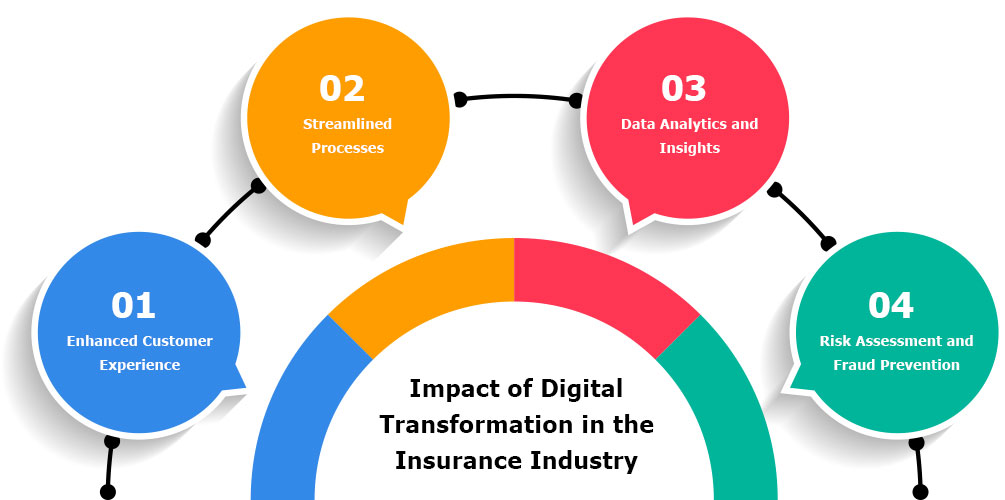
Four key areas where digital transformation is impacting the insurance industry
Transforming the Customer Experience
Digital transformation is fundamentally changing how customers interact with insurance companies. The traditional model of reactive, transactional relationships is being replaced by proactive, personalized engagement. Insurers are using data analytics to anticipate customer needs and provide relevant information at the right time.
For example, a customer with travel insurance might receive real-time alerts about potential disruptions to their trip, along with advice on how to use their coverage. A homeowner with earthquake insurance might receive early warnings and preparation tips based on seismic activity in their area.
Digital platforms are also making insurance more accessible and understandable. Interactive tools help customers visualize their coverage needs, compare different policies, and understand complex terms. This transparency is particularly valuable for specialized products like cyber liability insurance and professional liability insurance.
The Future of Online Policy Management
As digital transformation continues to evolve, we can expect several trends to shape the future of online policy management:
Hyper-Personalization: AI will enable truly individualized insurance products that adapt to changing circumstances in real-time, from pet insurance that adjusts based on pet health data to disability insurance that responds to career changes.
Embedded Insurance: Insurance will be increasingly integrated into other products and services, offering coverage at the point of need rather than as a separate purchase.
Voice and Conversational Interfaces: Natural language processing will enable customers to manage their policies through voice commands and chat conversations.
Predictive Claims Management: Insurers will use AI to predict potential claims before they occur, enabling proactive risk mitigation.
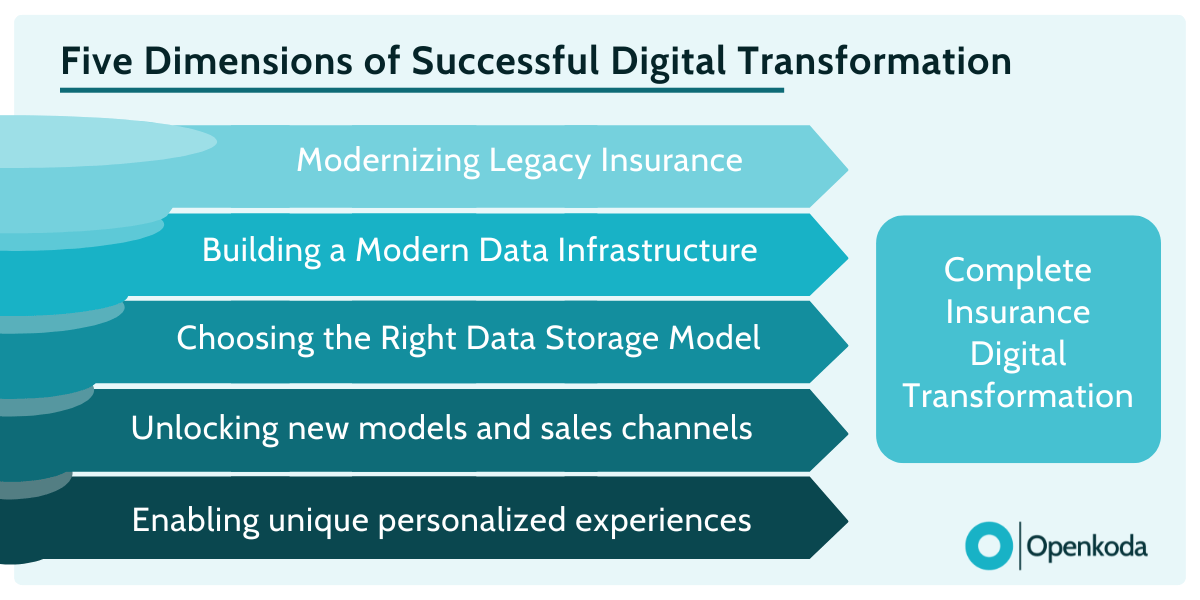
Five key dimensions for successful digital transformation in insurance
Challenges and Considerations
While digital transformation offers tremendous opportunities, it also presents challenges. Insurers must navigate complex regulatory environments, address cybersecurity concerns, and manage the cultural shift required to become truly digital organizations. They must also ensure that digital transformation doesn't exclude customers who prefer traditional channels or have limited digital access.
Privacy concerns are particularly significant as insurers collect and analyze increasing amounts of personal data. Balancing personalization with privacy will be crucial for maintaining customer trust, especially for sensitive products like long-term care insurance and critical illness insurance.
Conclusion
Digital transformation is not just changing how insurance is sold and managed—it's redefining what insurance can be. From umbrella insurance to wedding insurance, digital technologies are creating more responsive, personalized, and valuable insurance experiences. The insurers who embrace this transformation, focusing on customer needs while leveraging new technologies, will be best positioned to thrive in the evolving insurance landscape. As we look to the future, the line between insurance and other services will continue to blur, creating new opportunities for innovation and value creation.