
The insurance industry is undergoing a data-driven transformation, with analytics at the core of this evolution. Traditional insurance models relied on broad demographic categories and historical averages to assess risk and determine pricing. Today, advanced data analytics enables insurers to move beyond these generalized approaches, creating highly personalized coverage options and pricing models that reflect individual circumstances and behaviors.
The Data Analytics Revolution
Data analytics in insurance involves collecting, processing, and analyzing vast amounts of structured and unstructured data to extract meaningful insights. This includes traditional data sources like claims history and demographic information, as well as newer sources such as telematics data from vehicles, IoT sensors in homes, wearable health devices, and even social media activity.
For auto insurance quotes, telematics devices and smartphone apps can track driving behaviors like speed, braking patterns, and mileage, enabling usage-based insurance models where premiums reflect actual driving habits rather than demographic averages. Similarly, home insurance quotes can incorporate real-time data from smart home devices that detect potential risks like water leaks, fire hazards, or security breaches.
In the health insurance sector, analytics is transforming how health insurance plans are designed and priced. By analyzing electronic health records, wearable device data, and even genetic information (with appropriate consent), insurers can create more accurate risk profiles and personalized wellness programs. This enables more precise pricing for products ranging from individual health insurance to family health insurance and specialized plans like Medicare Advantage.

Key use cases of data analytics in the insurance industry
Personalizing Coverage Through Analytics
One of the most significant impacts of data analytics in insurance is the ability to personalize coverage to individual needs. Rather than offering one-size-fits-all policies, insurers can now create customized protection plans that adapt to each customer's unique circumstances.
For life insurance, analytics enables more accurate life insurance quotes by considering a wide range of factors beyond traditional demographics. This includes lifestyle indicators, health metrics from wearables, and even environmental factors. The result is more personalized products like term life insurance, whole life insurance, and universal life insurance that better reflect individual risk profiles.
Business insurance has also been transformed through analytics. Business insurance providers can now analyze industry-specific data, operational metrics, and even supply chain information to create tailored coverage options. This applies to various business insurance types, including commercial auto insurance, general liability insurance, professional liability insurance, and workers' compensation insurance.
Even specialized insurance products benefit from analytics-driven personalization. Pet insurance providers can analyze breed-specific health risks and veterinary records to create customized coverage options. Travel insurance can be personalized based on destination risks, traveler behavior, and even real-time events during a trip.
Dynamic Pricing Models
Data analytics has revolutionized insurance pricing, moving from static, annual pricing models to dynamic, real-time approaches that reflect changing circumstances and behaviors. This shift benefits both insurers and customers by creating more accurate pricing that aligns with actual risk.
Usage-based insurance (UBI) is one of the most prominent examples of analytics-driven pricing. In auto insurance, UBI programs use telematics data to adjust premiums based on actual driving behavior. Similar approaches are being applied to other insurance types, such as motorcycle insurance and RV insurance, where usage patterns significantly impact risk.
For property insurance, analytics enables location-based pricing that considers specific environmental risks. Flood insurance and earthquake insurance premiums can be adjusted based on real-time weather patterns, seismic activity, and even climate change projections. This creates more accurate pricing for home insurance quotes, landlord insurance, condo insurance, and mobile home insurance.
Dynamic pricing is also transforming specialty insurance products. Cyber liability insurance premiums can be adjusted based on a company's cybersecurity posture and threat landscape. Boat insurance and yacht insurance can incorporate real-time weather conditions and navigational data to create more accurate pricing.
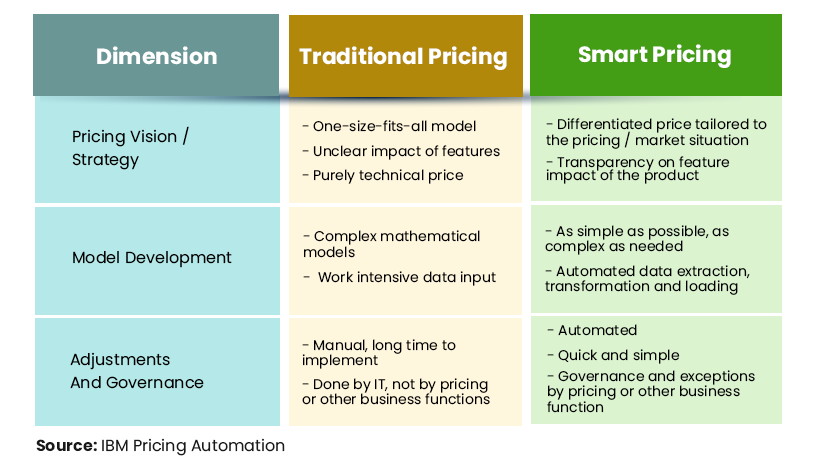
Comparison of traditional pricing and intelligent pricing models in insurance
Predictive Analytics and Risk Assessment
Predictive analytics is perhaps the most powerful application of data analytics in insurance. By analyzing historical data and identifying patterns, insurers can predict future events with greater accuracy, enabling more proactive risk management.
In health insurance, predictive analytics can identify individuals at risk of certain conditions, enabling early intervention and preventive care. This approach benefits both short-term health insurance and long-term coverage options like long-term care insurance and critical illness insurance.
For property insurance, predictive models can forecast the likelihood of claims based on various factors, from weather patterns to neighborhood crime rates. This helps insurers price renters insurance and homeowners insurance more accurately while also providing customers with risk mitigation recommendations.
Predictive analytics is also transforming claims processing. By analyzing claim data, insurers can identify patterns that indicate potential fraud, streamlining the investigation process and reducing losses. This benefits all insurance types, from disability insurance to umbrella insurance.
Benefits for Customers and Insurers
The integration of data analytics into insurance operations creates significant benefits for both customers and insurers:
For Customers: More accurate pricing, personalized coverage, faster claims processing, and proactive risk management advice.
For Insurers: Improved risk assessment, reduced fraud, more efficient operations, and the ability to develop innovative products.
For the Industry: Greater transparency, enhanced customer satisfaction, and a more sustainable business model based on actual risk rather than broad averages.
Challenges and Considerations
Despite its many benefits, the use of data analytics in insurance presents several challenges. Privacy concerns are particularly significant as insurers collect and analyze increasing amounts of personal data. Balancing personalization with privacy will be crucial for maintaining customer trust.
Algorithmic bias is another concern, as analytics models may inadvertently perpetuate or amplify existing biases in the data. Insurers must ensure their models are fair and transparent, avoiding discrimination while still accurately assessing risk.
Regulatory challenges also exist, as insurance regulations vary by jurisdiction and may not always keep pace with technological advancements. Insurers must navigate this complex landscape while innovating their products and services.
The Future of Data Analytics in Insurance
As data analytics technologies continue to evolve, we can expect even greater personalization in insurance coverage and pricing. Artificial intelligence and machine learning will enable more sophisticated risk models, while the Internet of Things will provide richer data sources for analysis.
The future of insurance is likely to be characterized by hyper-personalization, where policies and pricing adapt in real-time to changing circumstances. From no medical exam life insurance to final expense insurance, analytics will continue to transform how insurance products are designed, priced, and delivered.
Ultimately, data analytics is not just changing how insurance is priced—it's redefining what insurance can be. By creating more personalized, responsive, and valuable insurance experiences, analytics is helping insurers better serve their customers while building more sustainable business models for the future.