
In today's healthcare landscape, prescription drug insurance has become an essential component of comprehensive coverage. With the rising costs of medications and the growing importance of pharmaceutical treatments in managing health conditions, having adequate drug coverage can make the difference between manageable healthcare expenses and financial hardship. This guide will help you understand the intricacies of prescription drug insurance, how it works, and how to choose the right coverage for your needs.
Understanding Prescription Drug Insurance
Prescription drug insurance is a type of health coverage specifically designed to help pay for medications prescribed by healthcare providers. This coverage can be standalone or included as part of broader health insurance plans. The primary purpose of drug insurance is to reduce out-of-pocket expenses for necessary medications while ensuring access to a wide range of pharmaceutical treatments.
Drug coverage works through a system of formularies (lists of covered medications), copayments, coinsurance, and deductibles. Understanding these components is crucial for maximizing your benefits and minimizing your costs.
Types of Prescription Drug Coverage
Several types of prescription drug insurance are available, each with distinct features:
Formularies and Drug Tiers
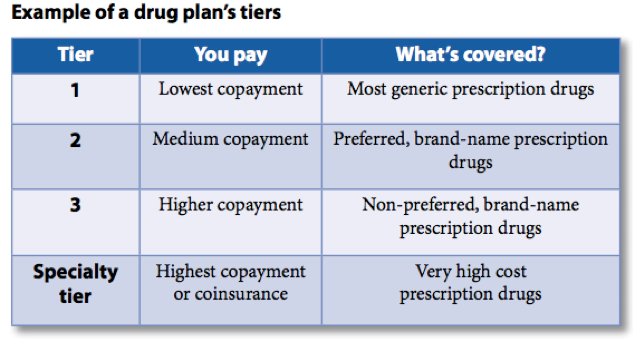
A critical aspect of prescription drug insurance is the formulary, which is the list of medications covered by your plan. Formularies are typically organized into tiers, with each tier representing different cost levels:
Tier 1: Generic drugs, typically with the lowest copayments. These are usually the most cost-effective options.
Tier 2: Preferred brand-name drugs, with moderate copayments. These are often brand-name medications with generic alternatives.
Tier 3: Non-preferred brand-name drugs, with higher copayments. These are typically newer or more expensive brand-name medications.
Tier 4: Specialty drugs, often with the highest copayments or coinsurance. These include complex medications for chronic or rare conditions.
Tier 5 (in some plans): Very high-cost specialty medications, sometimes requiring prior authorization or special handling.

Costs and Payment Structures
Understanding the cost structure of prescription drug insurance is essential for managing your medication expenses:
Premiums: Monthly payments you make to maintain your drug coverage, regardless of whether you purchase medications.
Deductibles: The amount you must pay for medications before your insurance begins to cover costs.
Copayments: Fixed amounts you pay for each prescription, varying by drug tier.
Coinsurance: A percentage of the drug cost that you pay, typically for higher-tier medications.
Donut Hole (Medicare Part D): A temporary limit on what the drug plan will cover for medications, after which you pay a higher percentage of drug costs until you reach catastrophic coverage.
Catastrophic Coverage: Once you've spent a certain amount out-of-pocket, your coverage increases significantly, with very low copayments for the rest of the year.
Choosing the Right Prescription Drug Plan
Selecting the appropriate prescription drug insurance requires careful consideration of your specific needs:
Strategies for Saving Money on Medications
Even with prescription drug insurance, medication costs can be significant. These strategies can help you save:
Choose Generics: Opt for generic medications when available, as they're typically much less expensive than brand-name drugs.
Use Preferred Pharmacies: Fill prescriptions at pharmacies in your plan's preferred network for lower copayments.
Consider Mail-Order: Use mail-order pharmacies for maintenance medications, often at reduced costs.
Apply for Assistance Programs: Many pharmaceutical companies offer patient assistance programs for expensive medications.
Use Discount Cards: Prescription discount cards can sometimes provide savings even with insurance.
Ask for Samples: Your healthcare provider may have samples of new medications to help you start treatment without immediate cost.
Split Pills: For certain medications, pill splitting (with your doctor's approval) can reduce costs.
Future Trends in Prescription Drug Coverage
The landscape of prescription drug insurance continues to evolve with several emerging trends:
Biosimilar Adoption: Increased use of biosimilar medications (similar to generic drugs for biologics) is expected to reduce costs for specialty medications.
Value-Based Pricing: Some insurers are experimenting with payment models that tie drug costs to treatment outcomes.
Specialty Management Programs: Enhanced management programs for high-cost specialty medications to ensure appropriate use and cost control.
Price Transparency: Greater emphasis on price transparency tools to help consumers compare medication costs across pharmacies.
Telepharmacy: Expansion of remote pharmacy services to improve access and potentially reduce costs.
Final Thoughts
Prescription drug insurance is a critical component of modern healthcare coverage, helping to manage the often substantial costs of necessary medications. By understanding how drug coverage works, evaluating your options carefully, and implementing cost-saving strategies, you can ensure access to the medications you need without facing financial hardship.
When selecting a plan, look beyond just the monthly premium and consider the total cost of your medications, including deductibles, copayments, and coinsurance. Review the formulary to ensure your current medications are covered, and consider how the plan handles new prescriptions you might need in the future.
Remember that medication needs can change over time, so it's important to review your prescription drug insurance annually during open enrollment periods. Stay informed about changes to your plan's formulary and cost structure, and don't hesitate to reach out to your insurance provider with questions about your coverage.
With the right prescription drug insurance and smart medication management strategies, you can maintain your health without compromising your financial wellbeing.