
The travel landscape has undergone a dramatic transformation since the global pandemic, reshaping how we approach travel insurance. What was once considered an optional add-on has become an essential component of travel planning, providing crucial protection against the uncertainties that continue to characterize post-pandemic travel. Understanding the evolving coverage options, especially those related to COVID-19, is essential for anyone planning to travel in today's environment.

COVID-19 Coverage in Travel Insurance
One of the most significant changes in travel insurance since the pandemic is the inclusion of COVID-19-related coverage. Early in the pandemic, many policies excluded pandemics altogether, leaving travelers without protection. Today, most comprehensive travel insurance policies offer specific COVID-19 coverage, though the extent varies significantly between providers and plans.
Typical COVID-19 coverage in post-pandemic travel insurance policies includes:
Types of Post-Pandemic Travel Insurance
As travel has resumed, travel insurance providers have developed more specialized products to address evolving traveler concerns:
Comprehensive Plans: These all-inclusive policies offer the broadest protection, covering trip cancellation, interruption, medical expenses, emergency evacuation, baggage loss, and COVID-19-related issues.
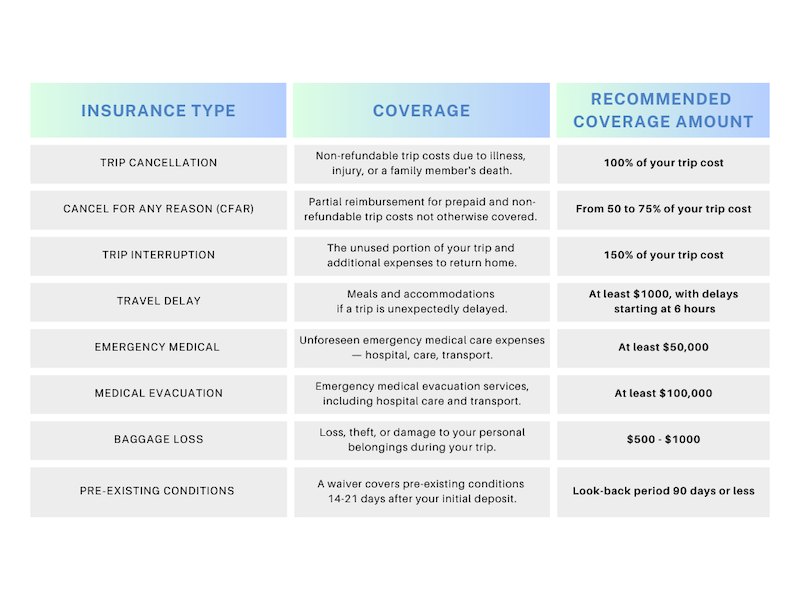
Cancel for Any Reason (CFAR) Coverage: This premium add-on allows you to cancel your trip for any reason not covered by standard policies, typically reimbursing 75% of non-refundable expenses. This has become increasingly popular as travelers seek maximum flexibility.
Medical-Only Plans: Focused specifically on emergency medical coverage and evacuation, these policies are ideal for travelers who have non-refundable bookings through credit cards or other means but want medical protection.
Rental Car Coverage: With more travelers opting for road trips as an alternative to flying, specialized rental car insurance has become more prevalent.
Adventure Sports Coverage: For those engaging in higher-risk activities, specialized coverage for adventure sports and activities is available as an add-on to standard policies.
What to Look for in Post-Pandemic Travel Insurance
When selecting travel insurance in the post-pandemic era, consider these key factors:
Pandemic-Related Exclusions: Carefully review policy language to understand what pandemic-related scenarios are covered and excluded. Some policies may have specific waiting periods after purchase before pandemic coverage becomes effective.
Pre-Existing Condition Coverage: If you have health conditions, look for policies that offer pre-existing condition waivers, which typically must be purchased within a specific timeframe after making your initial trip deposit.
Destination-Specific Coverage: Some policies may exclude coverage for countries with specific travel advisories or high COVID-19 transmission rates.
Telemedicine Benefits: Many post-pandemic policies now include telemedicine services, allowing you to consult with doctors remotely for non-emergency medical issues.
Quarantine Coverage Limits: Pay attention to daily and total limits for quarantine coverage, as these can vary significantly between policies.
Comparing Travel Insurance Plans
With numerous options available, comparing travel insurance plans effectively is crucial:
Coverage Limits: Compare the maximum amounts payable for different types of claims, particularly medical expenses and emergency evacuation.
Deductibles: Understand how deductibles apply to different types of claims and whether they're per-incident or annual.
Exclusions: Carefully review what's not covered, including specific activities, destinations, or circumstances.
Claims Process: Research the insurer's reputation for claims processing, including turnaround times and customer satisfaction.
24/7 Assistance Services: Evaluate the quality of emergency assistance services, including multilingual support and medical expertise.
Tips for Buying Post-Pandemic Travel Insurance
These strategies can help you select the right travel insurance for your needs:
The Future of Travel Insurance
The travel insurance industry continues to evolve in response to changing travel patterns and concerns:
Personalized Coverage: Insurers are developing more customizable policies that allow travelers to select specific coverage based on their unique needs and concerns.
Digital Integration: Mobile apps and digital platforms are making it easier to purchase policies, file claims, and access assistance services while traveling.
Climate-Related Coverage: As extreme weather events become more common, coverage for climate-related disruptions is becoming more comprehensive.
Real-Time Risk Assessment: Some insurers are offering real-time risk assessments and alerts to help travelers make informed decisions during their trips.
Enhanced Medical Networks: Global networks of medical providers are expanding to ensure travelers have access to quality care wherever they travel.
Final Thoughts
Travel insurance has transformed from a luxury to a necessity in the post-pandemic world. The right policy provides not just financial protection but also peace of mind, allowing you to explore the world with confidence despite ongoing uncertainties.
When selecting travel insurance, prioritize comprehensive coverage that addresses your specific concerns, whether that's COVID-19 protection, medical emergencies, or trip flexibility. Remember that the cheapest policy isn't always the best value—focus on coverage that aligns with your travel plans, health status, and risk tolerance.
As travel continues to evolve, so too will travel insurance products. Stay informed about new coverage options and changing terms to ensure you're always adequately protected. With the right insurance in place, you can embrace the joy of travel while being prepared for whatever challenges may arise.